

This indefinite period of time https://www.bookstime.com/ is divided into short periods to determine the business organization’s results and financial status. Download our data sheet to learn how you can run your processes up to 100x faster and with 98% fewer errors. Tools like Solvexia dramatically reduce processing time, eliminate errors, and free finance professionals to focus on strategic analysis. Generates accurate reports by pulling data from various systems, applying standardized calculations, producing scheduled reports, and distributing them automatically to stakeholders.
HighRadius Named a Challenger In 2025 Gartner® Magic Quadrant™ for Financial Close and Consolidation Solutions

Adjusting entries are made to ensure that revenues and expenses are recognized in the correct accounting period. These entries also address the recognition of prepaid expenses, accrued revenues, and accrued expenses. The accounting cycle is an eight-step process that accountants and business owners use to manage the company’s books throughout a specific accounting period, such as the fiscal year. The accounting cycle is critical because it helps to ensure accurate bookkeeping. Skipping steps in this eight-step process will likely lead to an accumulation of errors. If these errors aren’t caught and corrected, they can give you and your employees an inaccurate view of your company’s financial situation.

Monthly Financial Reporting Template for CFOs

A business’s accounting period is determined by various factors, including reporting obligations and deadlines. The accounting period refers to the timeframe for preparing financial documents, varying from monthly to annually. Companies may opt for monthly, quarterly, or annual financial analyses based on their specific needs. This step involves recording each transaction into its respective account, such as assets, liabilities, equity, revenue, or expenses. Once identified, transactions must be analyzed to determine their impact on the company’s financial position. For example, if a company the accounting cycle purchases inventory, it affects both assets (inventory) and liabilities (accounts payable or cash balance).
- Adjusting entries are made to correct errors and account for accruals or deferrals.
- For example, the cycle ensures that all revenue earned during a period is matched with the related expenses, adhering to the matching principle.
- Finally, close out temporary accounts like revenue and expenses by moving their balances into retained earnings (or the owner’s equity account).
- This credit needs to be offset with a $25,000 debit to make the balance zero.
- Accounting software helps automate several steps in the accounting cycle.
Step 7: Preparation of financial statements:
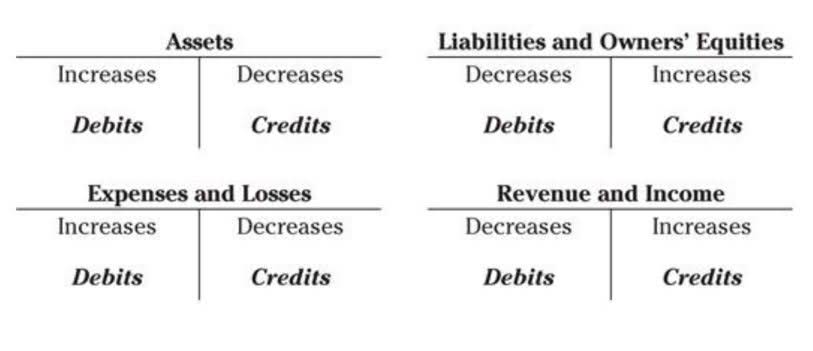
The accounting cycle can be simplified into an eight-step process for completing a company’s bookkeeping tasks. It provides a comprehensive guideline for recording, analyzing and reporting a business’ financial activities. This final trial balance is generally referred to as Debt to Asset Ratio the post-closing trial balance. Its format is similar to that of an unadjusted and adjusted trial balance. However, it lists only permanent accounts because all temporary accounts get closed in step 8 above.
- Learn how BILL’s expense management software can help you automate accounts receivables, accounts payables, and payment receipts by signing up today or requesting a demo.
- Accounting software can set up accruals and automatically reverse the prior month’s accruals each month.
- Once you make adjusting journal entries, you run a trial balance one more time.
- Closing entries are posted and temporary income and expenditure accounts are closed and their balances transferred to an income and expenditure summary account.
- The Capabilities score measures supplier product, go-to-market and business execution in the short-term.
- A common choice is a 12-month accounting period, either a calendar year or a fiscal year, depending on your reporting needs.
- As accountants and bookkeepers, they shall need to understand clearly about these steps process.
- It ensures that financial data is accurate, consistent, and compliant with accounting standards such as GAAP or IFRS.
- This includes when a financial transaction occurs, all the way to the creation of financial statements.
These statements provide a comprehensive view of the company’s financial performance and position. Now that your adjusting entries are posted, it’s time to prepare an adjusted trial balance and complete your financial statements. The adjusted trial balance lists all ending balances from your general ledger accounts. To create an unadjusted trial balance, list all general ledger account balances before you make any adjusting entries.
- This step involves determining the titles and nature of accounts that the transaction will affect.
- Our secure bank connections automatically import all of your transactions for up-to-date financial reporting without lifting a finger.
- In this step, accountants identify and analyze business transactions to determine their financial impact.
- Tax adjustments help you account for things like depreciation and other tax deductions.
Step 3: Ledger posting:
Although annual cycles are common, some businesses opt for accounting periods of three or six months. According to International Financial Reporting Standards, the accounting period can also span 52 weeks. Also known as the “book of original entry,” this is the book or spreadsheet where all transactions are recorded first. In accounting, transaction types include cash, noncash and credit events. Transactions can be identified through invoices, receipts and other documents that record business activity.